02 June, 2026
Tuesday
Ai

I Stopped Using AI Like a Chatbot — and Started Using It Like a Real Assistant
I Used to Treat AI Like a Fancy Search Bar
For the first year or so, I was like everyone else. I'd open ChatGPT, type in a prompt, get a reply, copy it, then close the tab. That was it. A question-and-answer machine. It was useful, sure — helped me rewrite emails, brainstorm blog ideas, explain tricky concepts. But it never became part of my day. It was a novelty. Something I'd pull out when I was stuck or bored.
Then I installed a local AI agent on my machine. That changed everything.
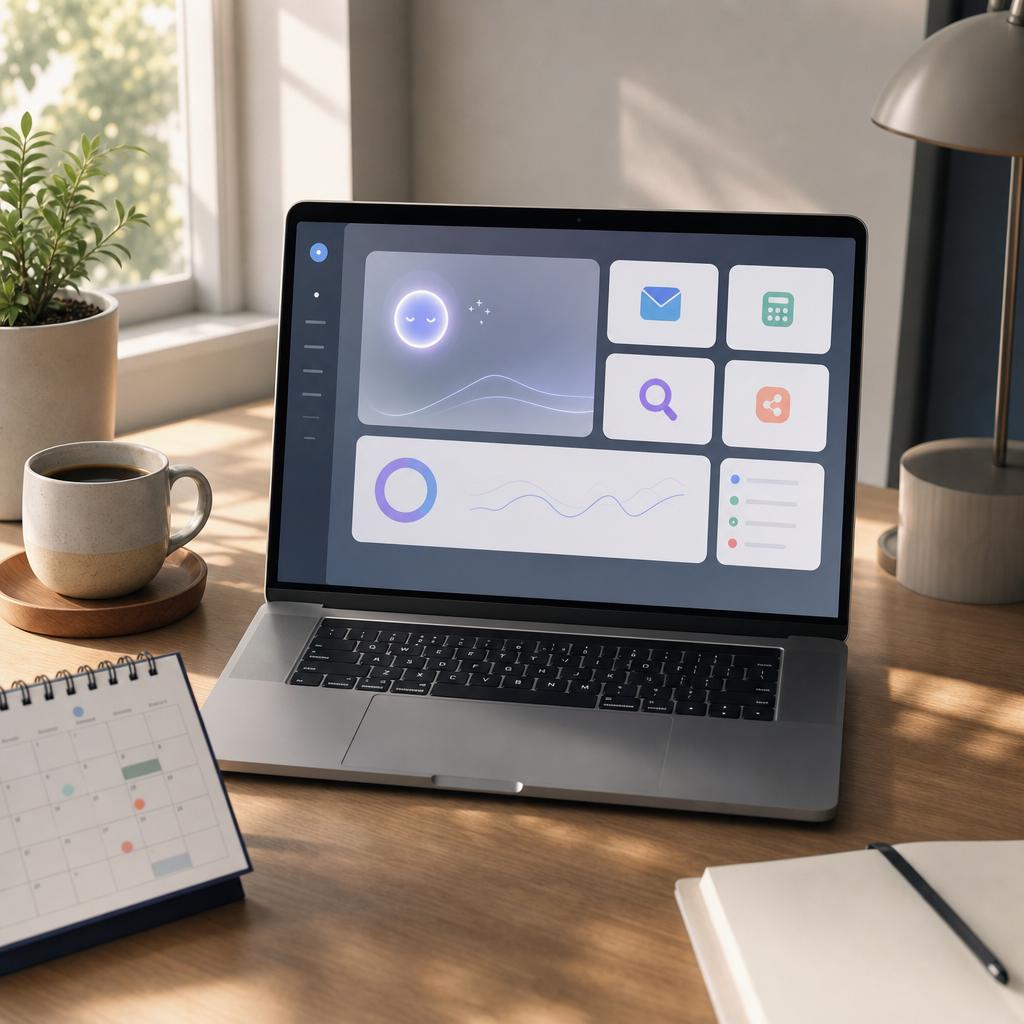
I'm talking about my Hermes Agent — a piece of software that sits on my desktop, runs locally (so my data stays with me), and can actually do things. Not just chat. It can check my emails, scan my calendar, read my files, send notifications, even execute simple tasks. And because it's always running, it's become part of my workflow. It doesn't have to ask me where my inbox is — it knows. It doesn't need me to copy-paste a summary — it can write one and pin it to my dashboard.
That shift — from occasional chatbot to always-on assistant — is the real transformation. It's the difference between asking a friend for help once a week, and having a colleague sitting at the desk next to you.
The Chatbot Mindset
Let's be honest: most of us start with a pretty low bar. We ask AI to "rewrite this email in a professional tone" or "give me three ideas for a marketing campaign". The AI spits something out, we take it or leave it, and that's the end. It's transactional. Like ordering a coffee. You get your drink, you walk away.
But that's not how a real assistant works. A real assistant learns your preferences. They know you take your coffee black with a dash of oat milk. They know you hate being interrupted after 3pm. They know which meetings you actually need to attend and which you'd rather delegate.
With a local agent, you can build that kind of relationship. Not because the AI has feelings — it doesn't. But because it has memory and agency. It can store a running list of your priorities. It can pick up tasks you gave it yesterday, check on progress, and nudge you when something's due. It can even act on your behalf, within the boundaries you set.
What Changed When I Installed a Local Agent
I run a small fintech team. My days are a mess of emails, meetings, product specs, customer queries, and regulatory docs. The mental load is real. I used to rely on notebooks (digital and paper) and a few apps. But they all required me to remember to check them, update them, and follow through.
Once I got Hermes Agent set up, I gave it three initial jobs:
- Email triage: Every morning, the agent scans my inbox, flags urgent messages from key clients, summarises the rest, and drafts replies for my review. I don't have to open my email to know what's happening. I just check the agent's summary.
- Research briefs: When I'm preparing for a meeting on a new topic (say, open banking regulations in Australia), I tell the agent to gather recent updates, summarise them, and highlight anything that affects our product. It takes ten minutes instead of two hours.
- Task management: I keep a simple Markdown file of my daily tasks. The agent reads it, checks off completed items (based on my calendar and email activity), and tells me what's overdue. It also suggests actions: "You've got a gap at 2pm — want me to schedule that call with Sarah?"
These aren't flashy features. They're practical, boring even. But they're the kind of stuff that used to live in my head, taking up mental space. Now I offload it to the agent.
The Real Difference: It's Always There
The biggest change isn't what the agent does — it's that I don't have to think about using it. It's just there. I can talk to it casually (type or voice), give it a vague instruction like "dig into that compliance issue from yesterday's meeting", and it'll come back with a structured report within minutes. I don't have to open a separate window or context-switch. It's integrated into my desktop environment.
And because it runs locally, I'm not worried about privacy. My emails, my notes, my task lists — they stay on my machine. That matters when you're handling sensitive fintech data. I can ask the agent to review a contract clause without uploading it to some cloud server. It's just code running on my laptop.
The relationship feels different. It's less like a vending machine and more like a capable colleague who's always on the clock, never complains, and somehow remembers everything I forget.
Clearing the Mental Clutter
I think the real breakthrough is that having an agent reduces decision fatigue. Every small task you have to remember — reply to that email, check that document, follow up on that call — is a tiny weight. Multiply that by fifty, and you're carrying a backpack full of pebbles all day.
The agent doesn't magically solve everything. I still have to make decisions, prioritise, and do the deep thinking. But it handles the busywork. It filters the noise. It lets me focus on the stuff that actually matters — leading my team, talking to customers, improving our product.
That's why I say I stopped using AI like a chatbot and started using it like a real assistant. It's not about getting better answers to one-off questions. It's about having a steady, reliable presence that helps me manage the mess.
If you're still only using AI in a browser tab, I'd encourage you to try something different. Put an agent on your own machine. Give it a few simple, ongoing tasks. See how it feels after a week. You might find, like I did, that the real power isn't in what it says — it's in what it does.
Need help setting up your own AI assistant? Feel free to contact me at [email protected].
Recent News